
How to get rid of Jock Itch
What is Jock Itch?
Jock Itch is a common name for the medical condition also known as “Tinea Cruris”. Jock Itch is caused by a fungus which naturally lives on the skin, but under certain conditions overgrows and leads to an itchy rash in the groin, either side of the penis and scrotum.
Generally, the skin on both sides of the genitals becomes itchy and then appears dry and scaly. It can get red and spread, become more intensely itchy. Scratching can lead to nicks and bleeds in the irritated skin.
Tinea can also affect the skin elsewhere, e.g. between the toes (Tinea Pedis) and beard (Tinea Barbae), so if you have Tinea on one part of the body it’s possible to “seed it” elsewhere.
With the wide variety of creams and gels available, it can be hard to know what to choose. A good starting point is to figure out what kind of acne you have- i.e. what type of lesions are most troublesome for you. There are two main types of acne lesion- non-inflammatory and inflammatory.
Many people have a mixture of these. Different treatments may help one type more than another- some treatments help both!

What causes Jock Itch?
Factors that can increase the risk of tinea cruris include:
Dermatitis
If you wash your genitals regularly with soap or shower gel, the skin is more likely to be dry and irritated and so prone to tinea. The genitals should ideally only be cleaned with a hand and warm water – no loofa, soap, shower gel or other chemicals. Less is more!
Moisture and warmth
Underwear or clothes that are moist and touching the genitals for long periods of time help tinea grow. If you exercise a lot, are in a hot work environment or just sweat a lot, it’s important to keep the area dry by changing underwear if moist, or wearing looser fitting undies that allow the skin to breathe and dry.
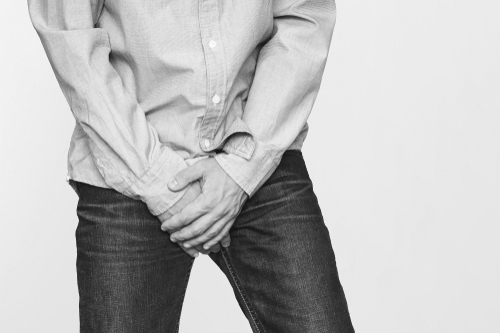
What is the treatment for Jock Itch?
Jock itch can be managed in a few ways:
Lifestyle factors:
like keeping underwear and pants dry, not using soap or shower gel on the genitals, drying well after a shower and not scrubbing the skin with irritants. Other measures that might help include: not sharing towels, washing linen/towels/clothes at a high temperature and drying them in direct sunlight.
Antifungal creams:
Topical antifungal creams an be used to clear the fungal infection faster, and they are available over the counter. Common brand names are Lamisil, Canesten and Resolve. They generally need to be used for several weeks and because tinea naturally exists on our skin, it’s common for jock itch to return. Be persistent with the cream and the lifestyle factors, particularly in warmer weather.
Corticosteroids creams can help with the symptom of itch but they don’t clear fungal infection. Combination creams which contain both antifungal and corticosteroid ingredients are more likely to effective, and include Resolve Plus, Hydrozole and Canesten Plus.
Rarely, if jock itch doesn’t clear with the above measures or there is tinea on multiple parts of the body (scalp, beard, groin), then oral antifungal medication may need to be used. For complicated cases, you may need to see a dermatologist. Speak to your GP if you need further advice about treatment of Jock Itch.
Share this article >>>>